
Federal Sentencing and International Sanctions: An Analysis of a High-Stakes Trial
This opinion editorial examines a case that has recently captured national attention owing to its implications for international sanctions enforcement and global security. The case in question involves Oleg Patsulya—a 46-year-old Russian citizen on a U.S. visa—convicted for allegedly orchestrating an international scheme to sell airplane parts to Russia at the height of a significant conflict. As we take a closer look into the trial and sentencing process, this article strives to offer a balanced perspective on the twists and turns within federal courtroom dynamics, highlighting the key legal and human elements at play.
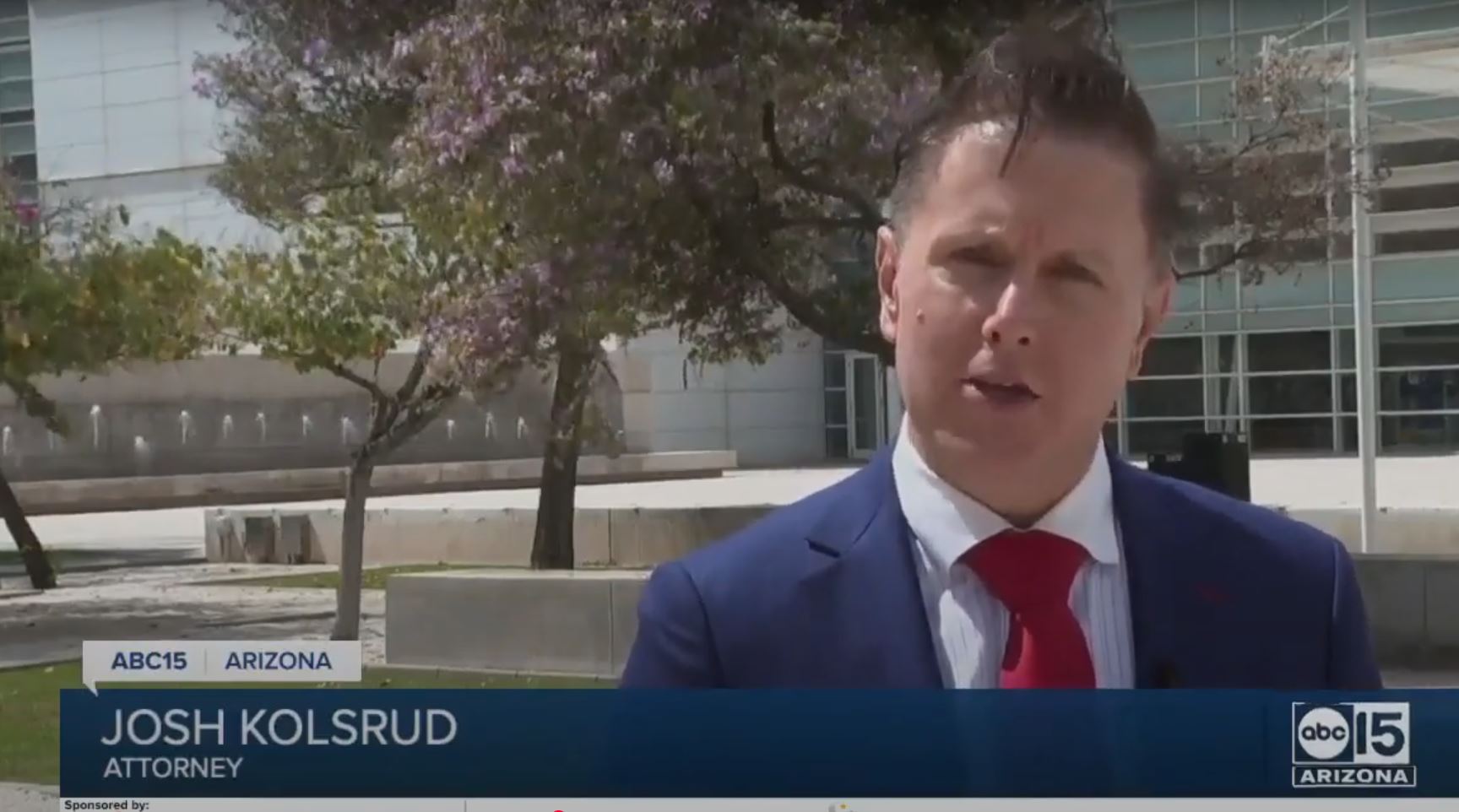
The trial, conducted in downtown Phoenix, Arizona, served as a vivid reminder of how political tensions and sensitive international issues can merge with complicated legal processes. Defense attorney Josh Kolsrud, known for his vast experience in both state and federal cases, provided insights that resonate not only with legal professionals but also with those who follow international law and sanctions enforcement. Through his commentary and the unfolding courtroom events, we are afforded an opportunity to dig into the less visible layers of American jurisprudence in a time marked by intense global competition and political uncertainty.
Tackling the Twists and Turns in an International Conspiracy Case
One of the most striking aspects of this trial was the manner in which sophisticated legal accusations were processed. Patsulya faced charges that painted him as the mastermind behind a scheme employing a Turkish shell company to bypass U.S. sanctions. The accusations insinuated that he had supplied essential airplane brake pads to Russia’s commercial aviation sector—actions argued to have inadvertently bolstered the military operations of a nation on edge during wartime.
The case was filled with tangled issues involving federal sanctions law. In court, the defense and prosecution each worked diligently, presenting a cascade of circumstantial proof and meticulously detailed legal arguments. The trial provided a window into the nerve-racking process by which the little details of international law are sorted out in a federal courtroom when national security and foreign policy interests are in the spotlight.
Understanding the Charges and Courtroom Dynamics
At the core of the matter was the allegation that Patsulya’s activities had used clever subterfuge to overcome sanctions. The case involved several key components that can be broken down as follows:
- International Sanctions Violations: The defense faced the daunting task of explaining how actions normally designated as commercial transactions intersected with the severe political implications of sanction breaches.
- Conspiracy to Evade Sanctions: Evidence was presented of a sophisticated plan that involved a offshore entity, aimed at disguising the true end-user of critical components.
- Potential Impact on National Security: The trial underscored that sales to a nation engaged in conflict carry heavy repercussions, both in domestic legal interpretations and in broader geopolitical arenas.
This breakdown helps invite a discussion about how tangled issues between commerce and politics are often more than just legal jargon—they add layers of accountability and public scrutiny that can reshape legal precedents for similar future cases.
The Unfolding Courtroom Drama: Human Elements and Emotional Impact
The trial was not solely about legal statutes and sanction violations. It was also about real lives and emotional journeys. In a moment that drew significant emotional focus, three of Patsulya’s children—ranging from a middle school daughter to his adult offspring—took the stand. Their presence added a poignant human dimension to what might have otherwise been viewed strictly as an international legal affair.
Patsulya’s public display of regret further emphasized the stressful personal toll that high-profile cases can exact. He openly admitted to feeling that he had betrayed both his new home and his family; a confession that underscores the extended ripple effects of decisions made in the ruthless arena of federal law. This admission offered the courtroom a rare glimpse into the burdens of personal accountability in situations heavy with political and legal overtones.
Highlighting Small Distinctions: The Role of Family in Legal Proceedings
The inclusion of personal testimonies from family members illustrates a broader trend in federal cases—they are never just about the individual on trial. Instead, they touch on community ties, familial bonds, and life-altering decisions. Such circumstances remind observers that while the law may focus on rules and penalties, it simultaneously intersects deeply with human stories.
This focus on personal narratives serves as a reminder of the potential long-term repercussions of legal missteps on a family’s future, showcasing the importance of understanding the subtle parts of courtroom drama.
Navigating the Tricky Parts of International Conspiracy Allegations
Defense attorney Josh Kolsrud, with his extensive background that spans state and federal levels, took great pains to detail how proving elements of an international conspiracy is anything but straightforward. His insights bring clarity to the tricky pieces often overlooked in headline-grabbing cases. The complexities of the legal process, which involve the following fundamental components, showcase the intricacies faced by legal professionals:
- The Burden of Proof: Demonstrating an international conspiracy requires linking a web of evidence that spans multiple jurisdictions and involves the interpretation of federal sanctions laws.
- Expert Testimony: Legal experts in sanctions and international trade are often called upon to explain the subtle details of what might otherwise seem like routine commercial transactions.
- Conspiracy Theory Versus Criminal Conspiracy: The line between political posturing and actual criminal intent can become blurred, making it difficult for both the jury and the judge to figure a path through the matters presented.
The process of disentangling these elements is not only legally challenging but often laden with nerve-racking pressure due to national and international scrutiny. This episode emphasizes how, in federal cases, the career-defining moments can arise from such tangled issues and subtle details.
Diving Into the Fine Points of Federal Sanctions Laws
When it comes to federal sanctions, a multitude of rules, exceptions, and interpretations apply. For cases like Patsulya’s, understanding the little details is super important. These include considerations such as:
- Policy Objectives: U.S. sanctions are designed not just as a tool of punishment, but as a means of exerting political pressure. This dual role complicates the legal landscape, where judicial decisions can have broader implications.
- Legal Precedents: Past cases involving sanctions violations serve as essential references when determining an appropriate sentence. In Patsulya’s scenario, the courtroom had to balance the theoretical maximum sentence with smaller, yet significant, legal outcomes.
- International Ramifications: Decisions made in the federal courtroom can have reverberations beyond the borders of the United States. How these decisions impact global trade and diplomacy is a question that legal experts continue to study.
By taking a closer look at these factors, one gains an appreciation for the layered, often overwhelming challenges that those involved in such cases must workout through.
Dealing with Sanctions Violations Under Political Pressure
Sanctions, by their very nature, are full of challenges that are both legal and political. In the midst of a global conflict, cases like this do not exist in a vacuum; they embody the intersections of law, international policy, and commerce. When Josh Kolsrud defended his client, he had to work through the off-putting task of making sense of how commercial activities could inadvertently aid a conflict-driven economy.
The legal community is well aware that when a case carries political labels, the courtroom atmosphere can become charged. Judges, juries, and attorneys alike must figure a path through the maze of public sentiment, media influence, and established legal protocol—all while ensuring that every individual receives a fair trial.
Sorting Out Political Overtones in Federal Cases
The political elements part of this case highlight several critical points:
- Media Attention: High-profile cases attract significant media interest, which in turn can influence public opinion about the fairness or severity of the judicial process.
- International Perspectives: How other countries view the use of sanctions can add delicate layers to the interpretation of a U.S. legal decision. The fact that Patsulya faces potential deportation to either Ukraine or Russia is a testament to these international considerations.
- Legal Consistency: Ensuring that a sentence is consistent with legal precedents while also adapting to the changing landscape of international politics is a task that requires both skill and sensitivity.
In this environment, lawyers must strike a balance between defending individual rights and upholding national security imperatives. The case of Oleg Patsulya is an apt example of how a lawyer’s role extends beyond simple legal defense—it touches on broader questions of global justice and individual accountability.
Detailed Insights from a Seasoned Defense Advocate
For those following this case, Josh Kolsrud’s comments during his interview with local news provide a window into the practical realities of defending complex international cases. With over 100 trials logged on his resume and experience shaped by time spent on both sides of the courtroom—first as a prosecutor and then as a defense attorney—Kolsrud brings a uniquely informed perspective to the table.
In his discussion regarding the resolution of the Patsulya case, Kolsrud stressed the importance of understanding the delicate interplay between federal laws and political considerations. His evaluation of the trial noted that, while Patsulya’s sentence was significantly less than the maximum 55 years originally contemplated, it nonetheless carries serious long-term implications. One of these is the possibility of removal proceedings after completion of the prison term.
Key Takeaways from a Dual-Role Legal Expert
Here are a few essential observations based on Kolsrud’s commentary:
- Experience Matters: A lawyer with prosecutorial background can offer unique insights into what evidence might be persuasive in court, especially in cases that require a deep understanding of the fine points of sanctions law.
- Practical Realities of Federal Cases: The trial showcased that even when the facts point towards harsh consequences, the final determination often reflects a balance of legal pragmatism and international political pressures.
- Long-Term Consequences: Beyond the immediate prison term, a conviction in such a case usually paves the way for removal proceedings, a process that can permanently alter an individual’s life and identity.
The defense attorney’s insights reveal that intricate legal battles are far more than just points of law—they involve a mix of strategy, evidence management, and careful negotiation of both legal statutes and public sentiment.
An In-Depth Look at the Long-Term Ramifications of a Shorter Sentence
Despite the initial possibility of receiving a very long prison sentence, the judge in the Phoenix case opted for a term just under six years (70 months). This decision underscores the complicated pieces that judges contend with when balancing legal severity against broader socio-political contexts. However, the story doesn’t end when the prison sentence is handed down.
Once the prison term serves as punishment, federal legal processes will likely move toward deportation proceedings, since Patsulya remains a non-citizen. This dimension of the case introduces additional layers to the already tangled issues of personal punishment versus immigration enforcement. In many ways, the legal process has evolved into two phases:
- The Sentencing Phase: Determining the appropriate term, weighing maximum potential sentences against mitigating factors.
- The Post-Conviction Phase: Initiating removal or deportation proceedings, where the defendant’s future in the United States hangs in precarious balance.
For legal observers, this bifurcation of the process offers a chance to dig into the nitty-gritty of how federal law not only punishes crimes but also enforces immigration policies. While the immediate sentence may appear modest compared to the initial expectations, its long-term impact remains both significant and nerve-racking.
Comparing the Maximum Sentence With the Imposed Term
| Parameter | Maximum Proposed Sentence | Imposed Sentence |
|---|---|---|
| Potential Maximum Prison Term | 55 years | Just under 6 years (70 months) |
| Legal Implications | More indicative of severe sanction violations | Allows consideration of mitigating political and legal factors |
| Post-Sentencing Impact | Immediate long-term incarceration | Triggers removal proceedings and potential deportation |
This table aids in visualizing the tremendous disparity between what was initially a possibility and what was ultimately handed down in court—a clear demonstration of how judges weigh every fine shade of detail in sentencing.
Reflections on Global Conflict, Legal Accountability, and Personal Redemption
Beyond the written legal arguments and cold sentencing guidelines, the case of Oleg Patsulya touches on themes of personal accountability and ethical redemption. Patsulya’s acknowledgment of guilt and remorse, made before the court, opened the door to discussions about what it means to be accountable in a globalized world where legal decisions affect not only individual lives but also international relations.
It is worth noting that many legal scholars and international law enthusiasts view cases like this one as emblematic examples where local legal proceedings intersect with broader global conflicts. The decisions made in such trials offer rich lessons about the challenges of managing your way through issues that are loaded with both legal and political connotations.
Highlighting Personal Accountability in High-Stakes Trials
The most dramatic expressions in the courtroom were not found solely in legal arguments but in the emotional pleas of a man coming to terms with his actions. Patsulya’s narrative of regret and personal betrayal speaks to a universal theme—how decisions made under the pressure of confusing bits and nerve-racking circumstances can alter the course of a life irrevocably.
From a legal perspective, the case reinforces that while the law may be clear in its decrees, the human element—emotions, regret, and the impact on family—often plays a central role in determining both the outcome and the legacy of such proceedings. It is this delicate interplay of legal standards with the human condition that continues to shape public debates on the fairness, consistency, and ultimate purpose of federal sentences.
Looking Forward: Lessons From a Federal Case Amid International Uncertainty
As the dust begins to settle on the trial of Oleg Patsulya, legal experts and the public alike are left to ponder the lessons this case imparts. Some of these takeaways include:
- Balancing Legal Rigor With Compassion: The case highlights the importance of rendering justice that considers the very real human fallout of severe sentences, particularly when national security concerns and individual rights collide.
- Understanding the Impact of International Politics on Local Courts: Decisions in one courtroom can echo far beyond city limits, affecting international relations and policy enforcement.
- Recognizing the Overwhelming Challenges in Federal Trials: Cases that involve international sanctions and political overtones are inherently loaded with issues, requiring legal experts to work through almost overwhelming legal and factual details.
For attorneys and legal scholars, the trial serves as a case study on how to steer through a maze of legal statutes, international politics, and deeply personal narratives. It is a reminder that the law is not just a system of rules; it is a living, breathing process that adapts and responds to our collective global circumstances.
As we reflect upon the multitude of lessons emerging from this trial, one thing remains clear—the intersection of international conflict, federal law, and personal accountability creates a legacy that goes beyond mere sentencing. It shapes policy debates, informs legal education, and ultimately drives home the point that justice must be balanced with both factual rigor and human empathy.
The Essential Role of Legal Defense in Upholding Individual Rights
Defense attorneys like Josh Kolsrud play a critical role in the judicial system, not only by advocating for the client in court but by ensuring that every twist and turn of the case is subject to scrupulous legal review. Their work helps preserve the fundamental right to a fair trial—a right that stands as a bastion against unfettered executive power and public overreaction. Through their meticulous approach, they remind us that the law must serve as a guard against both over-penalization and the dangerous precedent of politicized prosecutions.
This case, with all its nerve-racking details and political connotations, demonstrates that while legal systems evolve and face unprecedented challenges, the importance of dedicated legal representation remains unchanged.
Conclusion: Charting a Path Through Legal and Political Tensions
In final reflection, the trial and sentencing of Oleg Patsulya serve as a microcosm of the tangled issues involved in modern federal law. From the courtroom dramas that unfurled in Phoenix to the long-term implications of a reduced sentence that triggers removal proceedings, every element of the case invites us to take a closer look at the interplay between international politics and domestic law.
The case is a reminder that legal proceedings, particularly those set against the backdrop of global conflict and economic sanctions, are rarely straightforward. They are filled with nerve-racking challenges, from the tiny details of legislative texts to the overarching narrative of international politics and personal regret. Each component, whether it be dealing with tricky parts of a conspiracy charge or balancing the severe markings of potential national threats, is essential in piecing together a verdict that is both legally sound and morally considerate.
For the legal community and the general public, this case reaffirms the notion that justice, while at times perplexing and fraught with mostly tangled issues, must always strive to balance the scales between enforcement and compassion. It is an enduring lesson on how sensitive international procedures and domestic legal rights coalesce in cases that are more than just headlines—they are the building blocks of our broader legal fabric.
As debates continue about the enforcement of international sanctions and the appropriate penalties for actions that blur the lines between commercial activities and national security, the legacy of cases like Patsulya’s will likely influence future legal interpretations. They remind us that while the judicial system may often appear intimidating and loaded with problems, its ultimate aim remains clear: to deliver fair and just outcomes even in the most complicated pieces of legal conflict.
Ultimately, the trial underscores the key responsibility shared by all legal practitioners: to find a path that upholds the constitutional rights of individuals while addressing the broader implications for global security. In doing so, the case contributes to an ongoing dialogue about the role of law in an increasingly interconnected world—a dialogue that is as essential as it is challenging, as delicate as it is decisive.
In conclusion, the judicial proceedings witnessed in this high-profile case offer important insights into not only how legal systems operate under pressure but also into how personal accountability, redemption, and international law interact in modern society. It is a narrative enriched by personal testimonies, societal expectations, and the relentless pursuit of justice—a narrative that will continue to influence both legal thought and policy for years to come.
Read more about this topic at https://kolsrudlawoffices.com/josh-kolsrud-speaks-on-client-oleg-patsulya/
Related articles you might like
geopolitics | Global Justice in the 21st Century
Gender Justice at the Heart of Geopolitics and Global Diplomacy